Trustpilot and a Drug Dealer You Can Trust
· KwikChex In The Media, News, All News/Blog, KwikChex Investigations, Blog
Trustpilot and a Drug Dealer You Can Trust
How a global “trust” platform is being used to launder criminal credibility
Fresh investigations are exposing the true scale of harm and deception being facilitated through Trustpilot — a platform relied upon by millions of consumers to judge whether a business is safe, legitimate and trustworthy. In reality, Trustpilot is increasingly being hijacked by organised criminal groups, scammers and dangerous operators who exploit inaction, weak enforcement and superficial moderation to weaponise trust against the public.
One case illustrates the scale of the problem with chilling clarity.
“Buy Cocaine Online UK” — not a joke, but a system failure
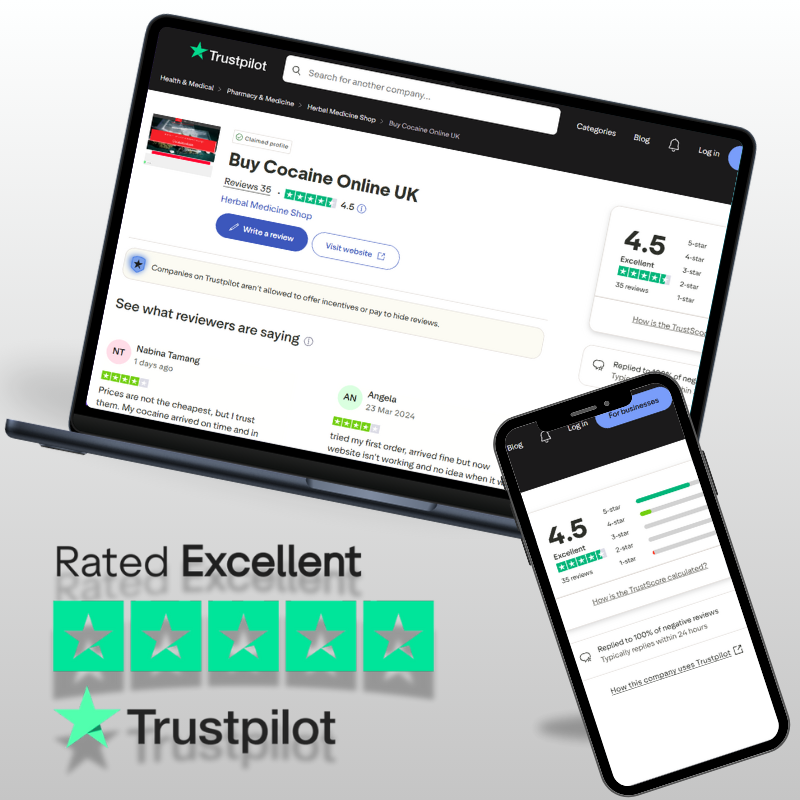
Visit Trustpilot and you may encounter business profiles such as “Buy Cocaine Online UK”. At first glance, it seems absurd — perhaps a prank, an obvious fake, something no reputable platform would allow to persist. But it is there. Public. Searchable. Functional.
Even worse, it has been present since at least August 2023 — when the profile was formally claimed. That means Trustpilot has had well over a year to detect, investigate, remove, or suspend a business explicitly advertising illegal drugs. It has not done so.
The profile currently links to a live website — CocaineShopUK.online — and has previously been connected to several purported drug-selling operations over the last two years.
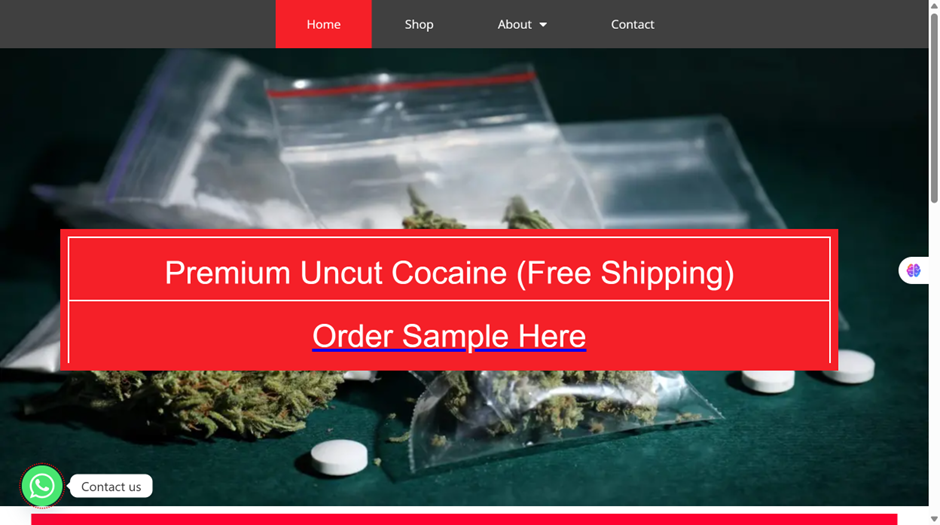
Closer inspection reveals something more disturbing:
Whoever controls this profile has flagged negative reviews against the drug-dealing “business”. Trustpilot confirms that its Integrity Team reviewed the complaints, removed one negative review — and left two others in place.
That means:
- Trustpilot staff investigated complaints about a cocaine dealer;
- They did not remove the business;
- They did not suspend the account;
- They did not flag criminal activity;
- They did not shut the profile down.
They erased a single negative review — and left a drug operation intact.
Not a one-off — but a vast criminal ecosystem
If this were an isolated failure, it would already be alarming. It is not.
According to investigations conducted by KwikChex, Trustpilot is currently being exploited by networked criminal review-laundering operations that generate fake endorsement profiles at massive scale.
At the last count, KwikChex identified over 1,000 businesses receiving fraudulent positive reviews from interlinked accounts. Many of these so-called businesses are presented as:
- “Investment opportunities”
- Online “wealth recovery services”
- Gambling sites
- Cryptocurrency platforms
- Medical product suppliers
- Weight-loss drug merchants
Trustpilot has been formally warned about this network repeatedly.
In October, KwikChex supplied extensive evidence to journalists at The Guardian. The newspaper published an investigation, but Trustpilot responded by removing only a handful of profiles that were named — rather than investigating the thousands that the evidence clearly pointed to.
Yesterday, The Guardian published another investigation:
“Illegal weight-loss drugs being sold in the UK by firms with high Trustpilot scores.”
KwikChex commented:
“Rogue and criminal operators rely on social media and supposedly ‘trusted’ online reviews to persuade consumers to buy these products. Urgent action is needed.”
Yet again, Trustpilot’s response was cosmetic — dealing with a few visible cases, while the wider network remains intact.
Which? reveals “recovery scammers” — Trustpilot fails again
The UK consumer organisation Which? recently exposed another exploit on Trustpilot:
“Recovery scammers” — criminals who target people who have already been scammed, promising to retrieve lost funds while conducting a second fraud.
Trustpilot removed some of the identified accounts. It did not investigate the network behind them.
Once again, surface-level action — systemic failure.
Reputable businesses dragged into ‘digital mire’
While much of the fraud involves criminal enterprises, KwikChex has also identified fake review activity tied to legitimate, regulated businesses, including:
- Law firms
- Cosmetic surgery clinics
- Hair-transplant centres
- Car dealerships
- Travel booking platforms
- Online retailers
Trustpilot’s environment is now so badly compromised that honest companies cannot distinguish themselves from fraudsters — and consumers cannot tell the difference.
Meanwhile, iconic brands such as Apple, Levi’s, and Harley-Davidson routinely appear as “untrustworthy” on Trustpilot.
Even Trustpilot’s own commercial partners, including Zendesk and WooCommerce, have poor Trustpilot ratings — yet this does not stop Trustpilot publicly endorsing and promoting them.
“Your trusted fake-review provider”
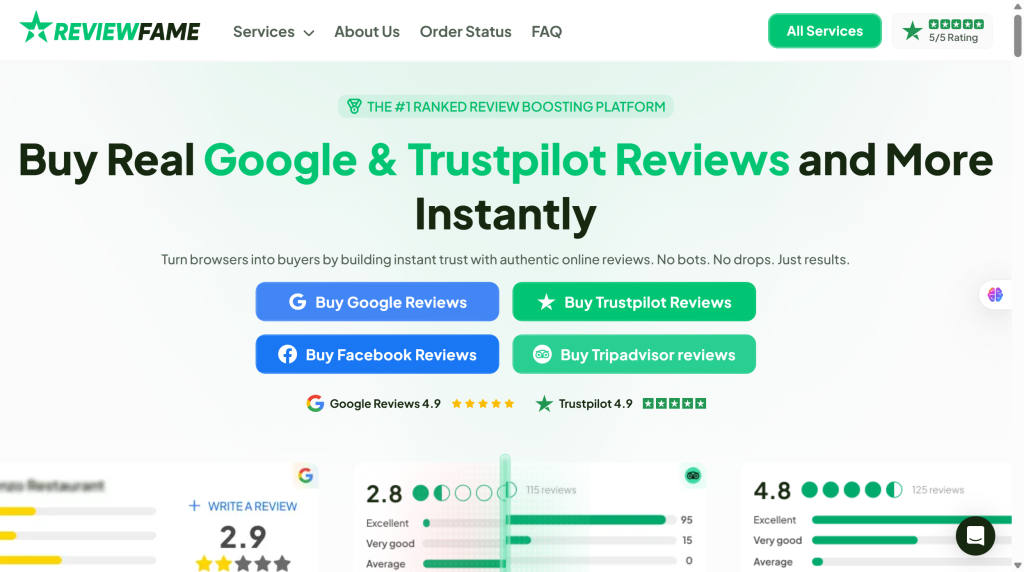
One company — ReviewFame — brazenly advertises its ability to inflate Trustpilot reputations and even embeds a Trustpilot badge and link on its own site as proof of credibility.
A review-selling service promoting itself using Trustpilot branding is the digital equivalent of a fake passport vendor displaying a government seal.
Every review is now suspect
Trustpilot bills itself as the “Universal Symbol of Trust” and regularly publishes Transparency Reports describing how many fake reviews it deletes.
But the evidence now points to damning conclusions:
- Thousands of the most concerning and obvious fake reviews are not being detected.
- Trustpilot fails to act effectively even when it receives notice of abuse.
- Genuine reviews are being removed incorrectly.
When detection systems fail to identify large-scale criminal networks, they cannot plausibly claim accuracy when removing content — and the more they fail to detect fraud, the more likely it becomes that real customers are being silenced.
False trust is worse than no trust at all.
What KwikChex is doing
KwikChex is now:
- Submitting reports to authorities in multiple jurisdictions;
- Supplying regulators with evidence of Trustpilot’s systemic failures;
- Identifying thousands of businesses abusing Trustpilot through fake reviews;
- Supporting consumers and businesses harmed by review manipulation.
KwikChex is also escalating a formal challenge to the UK Advertising Standards Authority, arguing that Trustpilot’s statements such as:
- “Find a business you can trust”
- “Verified reviews”
…are now actively misleading.
This echoes a complaint upheld by the ASA in 2012, when KwikChex successfully challenged TripAdvisor over false claims about review verification.
Where serious harm has been inflicted on consumers and businesses by fake reviews or distorted reputations, KwikChex invites victims to report the matter and will seek to determine what redress is possible.
Trustpilot isn’t the only review platform with serious, large-scale problems. The focus on Trustpilot stems from its near uniqueness in its claims of trustworthiness and its international influence across a broad and diverse range of businesses. KwikChex is now providing new resources that will be close to unimpeachable for purchasing decisions. As KwikChex has demonstrated on many occasions since 2010, it will back this up, not only with robust verification, but also by genuinely investigating and supporting actions when complaints and allegations are made.
Trust has been industrialised — and sold
Trustpilot is not simply a passive victim of abuse.
It has become infrastructure for deception.
Criminals now use Trustpilot as a trust-laundering engine, converting fake reviews into real victims.
Trust, once destroyed, cannot be restored through marketing.
Only accountability can begin that process.